Chapter 15: Choking Emergencies
A choking emergency happens when something blocks the airway, making it hard or impossible to breathe. This is a serious situation that requires quick action.
What Causes Choking?
Choking can happen when a foreign object—such as food or a small item—blocks the airway. Common causes include:
- Eating too quickly or not chewing food well
- Talking or laughing while eating
- Alcohol or drug use
- Ill-fitting dental appliances
- Small objects (such as coins or marbles), especially in children
Signs of Choking
A person who is choking may:
- Be unable to speak
- Have difficulty breathing or wheeze
- Cough weakly or gag
- Appear panicked
- Clutch their throat (the universal choking sign)
- Turn blue around the lips or fingertips
- Lose consciousness
First Aid for Choking
- Ask, “Are you choking?”
- If the person cannot speak, breathe, or cough forcefully, tell them you are going to help.
- Stand behind the person.
- Make a fist and place it just above the belly button.
- Grasp your fist with your other hand and give quick, upward abdominal thrusts.
- Continue thrusts until the object is expelled or the person can breathe or cough forcefully.
Special Situations
- For pregnant individuals or someone too large to reach around, perform chest thrusts instead of abdominal thrusts.
If the Person Becomes Unconscious
- Lower them to the ground safely.
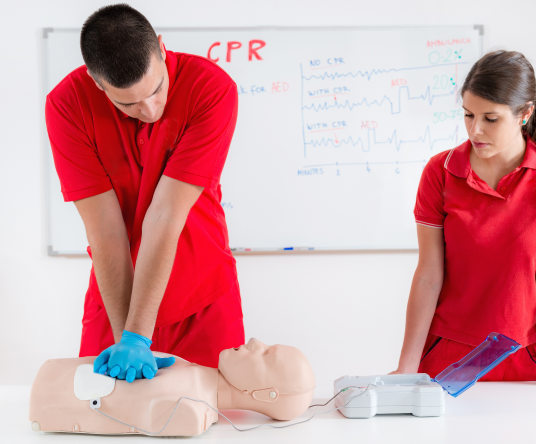
- Begin CPR immediately.